When you're on a long road trip, especially one where timing is crucial—like heading to a casino or catching an event—meal stop planning can be the difference between smooth sailing and frustrating delays. Food breaks are a necessary pause to stay alert and energized, but poorly planned meals can throw off your arrival times, cause stress, and reduce your overall trip enjoyment.
In this post, we'll explore how to plan meals effectively so they don't derail your drive time, how to realistically plan your daily drives with buffer time, and how modern tools like banking apps and parking payment apps can help keep everything on track. We'll also cover the importance of separating travel funds from gambling funds and have an emergency reserve plan. Staying on schedule means driving comes first, and everything else, like casino visits, comes only after you've parked.
Driving Comes First, Casino Comes After Parking
No matter how exciting the destination or event, the road demands get more info your priority. The driver’s focus needs to remain on safe, efficient driving rather than being anxious about late arrivals or missing meal breaks. This mindset starts with your trip planning. When you know your trajectory and break times in advance, you reduce uncertainty.
Especially with destinations like casinos that often have strict timings for events, shows, or dining reservations, always plan to arrive early and park first. Hurrying once you’re close can lead to speeding, unsafe maneuvers, or rushed meal stops. Instead, factor in enough time post-arrival to park without stress before you attend any casino activities.
Meal Stop Planning: How to Get It Right
Meal stop planning is about more than just finding a place to eat. It’s about scheduling food breaks that recharge the driver without unnecessarily extending your overall trip.
1. Pre-select Meal Stops Along Your Route
Before heading out, identify potential meal stops based on your route and estimated drive times. Aim for locations with quick service options or places where you can pre-order food to minimize wait times. Apps like Google Maps or specialized road trip planners can help you set these stops and check reviews to avoid surprises.
2. Schedule Realistic Break Durations
Give yourself enough time to eat without rushing, but don’t over-allocate time. Typically, a 30- to 45-minute meal break is a good balance. If you’re traveling with family or friends and expect a longer sit-down meal, adjust your schedule accordingly.
3. Consider Food Prep and Traffic Delays
Informative postFactor in potential wait times at your selected stops, especially during peak meal hours. Drive time can also be affected by unexpected congestion. Build buffers into your meal stop planning to absorb delays without compromising the next leg of your drive.
Add Time Buffers to Your Daily Drive Plan
One of the biggest planning mistakes is to schedule drive time without allowances for unexpected delays. Adding time buffers is essential to avoid late arrivals and stress.
How Much Buffer Time is Enough?
A good rule of thumb is to add about 20-30% extra time onto your planned driving segments. For example:
- If you expect to drive 3 hours on a leg, schedule 3 hours and 36 to 45 minutes to be safe. For shorter stretches, still add at least 10-15 minutes buffer.
Benefits of Buffer Time
- Allows for traffic or road work delays Lets you take unscheduled quick breaks without time pressure Keeps you calm and mindful during the drive Ensures timely arrival for appointments or check-ins at casinos
Example Daily Driving Plan with Buffers and Meal Breaks
Segment Estimated Drive Time Added Buffer Meal Break Time Total Time Allocated Start to Lunch Stop 2h 30m 30m 40m 3h 40m Lunch Stop to Casino 1h 45m 20m — 2h 5mNote: Times are examples and should be customized per trip specifics.
Use Banking Apps to Separate Travel Funds from Gambling Funds
Financial management is just as important as time management on trips involving entertainment like casino visits. To avoid overspending and last-minute budgeting headaches, use mobile banking apps to create distinct accounts or savings goals.
- Travel Funds: For gas, meals, accommodations, tolls, parking fees. Gambling Funds: Money dedicated to casino play only. Emergency Reserve: A backup fund for unexpected expenses.
By separating your spending into digital buckets—often achievable through budgeting features in banking apps—you maintain clearer spending discipline. Plus, this helps reduce impulse spending on the drive and at the destination.
Parking Payment Apps: A Time-Saving Solution
Arriving at a casino or busy destination can be stressful if you have to hunt for coins or stand in payment lines for parking. Parking payment apps eliminate this hassle by allowing you to:
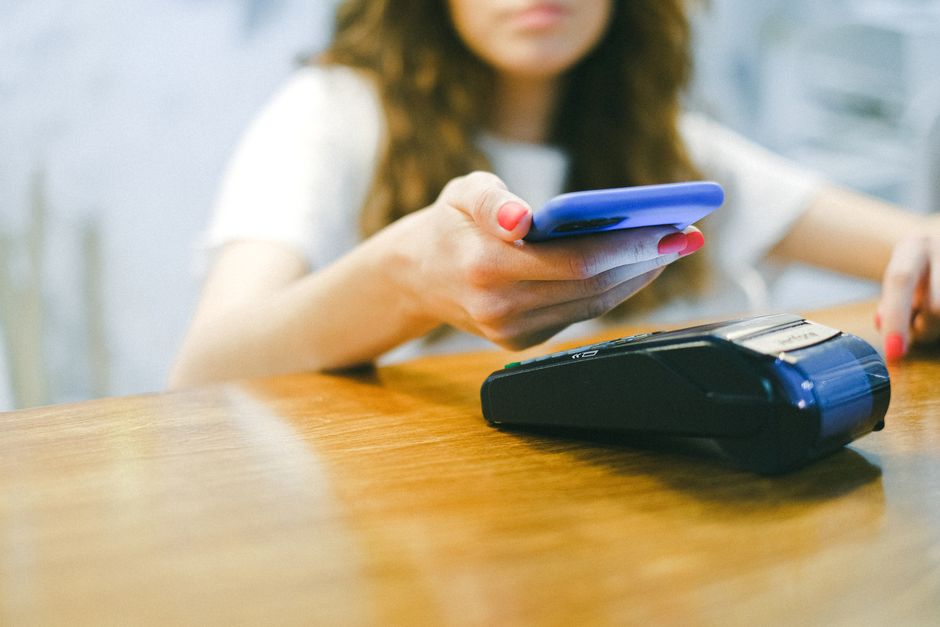
- Pay for parking remotely before you even park Extend parking effortlessly via your smartphone Receive reminders to avoid overstaying
This convenience means you spend less time fumbling with cash or credit card terminals and more time enjoying the trip or relaxing after driving.
Emergency Reserve Planning
No matter how precise your planning, emergencies happen. Sudden weather changes, vehicle troubles, or health issues can crop up unexpectedly. Always plan an emergency reserve both in time and funds:
- Time Reserve: Keep an extra 30-60 minutes in your schedule daily for unforeseen delays. Money Reserve: Maintain a cash or accessible fund for towing, repairs, medical care, or last-minute overnight stays.
Having these reserves reduces stress, keeps your trip from derailing, and ensures you’ll always have a fallback plan.
Summary: Key Takeaways for Meal Stop Planning That Supports On-Time Driving
Prioritize Driving and Safe Arrival: Always plan to park before engaging in casino activities. Plan Meal Stops Realistically: Choose convenient locations for your meals and allocate sufficient but not excessive time. Add Buffers: Build extra time into your schedule for traffic, meal wait times, and quick breaks. Separate Your Funds: Use banking apps to manage travel, gambling, and emergency money separately. Leverage Parking Apps: Use parking payment apps to save time and reduce parking-related stress. Prepare an Emergency Reserve: Keep extra time and money handy for unexpected issues.By implementing these strategies and tools, your drive can remain the centerpiece of your trip, allowing you to enjoy meals, casino visits, and downtime without hassle or the worry of lateness.
Safe travels and happy planning!